What is the Load Chart of a 5 Ton Telehandler?
When it comes to heavy - duty material handling, a 5 - ton telehandler is a powerful asset on any job site. As a supplier of 5 - ton telehandlers, I understand the importance of the load chart and how it impacts the safe and efficient operation of these machines.
Understanding the Basics of a Telehandler
A telehandler, also known as a telescopic handler, is a versatile piece of equipment that combines the functions of a forklift and a crane. It has a telescopic boom that can extend forward and upward, allowing it to reach different heights and distances. This makes it suitable for a wide range of applications, such as construction, agriculture, and industrial warehousing.
What is a Load Chart?
A load chart is a crucial document provided by the manufacturer of the telehandler. It is a detailed graphical or tabular representation that shows the maximum load capacity of the telehandler at various boom lengths, lift heights, and angles. The load chart takes into account factors such as the weight of the machine itself, the counterweight, and the stability of the telehandler under different operating conditions.
Components of a 5 - Ton Telehandler Load Chart
- Lift Height and Load Capacity: The most obvious information on the load chart is the relationship between the lift height and the maximum load the telehandler can carry. As the boom extends upward, the load capacity decreases. For example, a 5 - ton telehandler might be able to lift a full 5 - ton load at a relatively low height, but as the boom reaches its maximum height, the load capacity could drop to a much smaller value, say 1 - 2 tons.
- Boom Extension and Reach: In addition to lift height, the boom extension or reach also affects the load capacity. The further the boom is extended horizontally, the less weight the telehandler can safely lift. This is because the extended boom creates a greater moment of force, which can compromise the stability of the machine.
- Angle of the Boom: The angle of the boom relative to the horizontal also plays a significant role in determining the load capacity. A steeper boom angle generally allows for a higher load capacity compared to a more horizontal boom angle.
Importance of Following the Load Chart
- Safety: The primary reason for following the load chart is safety. Overloading a telehandler can lead to dangerous situations, such as tip - overs, structural failures, and injuries to operators and bystanders. By adhering to the load chart, operators can ensure that the machine is used within its safe operating limits.
- Equipment Longevity: Operating the telehandler within the specified load limits helps to prevent excessive wear and tear on the components. Overloading can cause damage to the boom, hydraulic system, tires, and other parts of the machine, which can lead to costly repairs and downtime.
- Compliance: In many regions, it is a legal requirement to operate machinery according to the manufacturer's guidelines, including following the load chart. Failure to comply with these regulations can result in fines and legal consequences.
Real - World Examples of Using the Load Chart
Let's say you are working on a construction site and need to lift some building materials to the top of a three - story building. Before using the 5 - ton telehandler, you consult the load chart. You measure the height to the top of the building and the horizontal distance from the telehandler to the point where you need to place the load. Based on this information, the load chart tells you whether the telehandler can safely lift the weight of the materials at that height and reach.


If the load exceeds the capacity indicated on the chart, you have several options. You can either reduce the weight of the load by splitting it into smaller pieces, use a different piece of equipment with a higher capacity, or adjust the position of the telehandler to a location where it can operate within its safe limits.
Our Product Range and Related Offerings
As a supplier of 5 - ton telehandlers, we also offer a wide variety of other telehandler models to meet different customer needs. For instance, if you require a smaller capacity machine, we recommend our 4Ton 7meter Telehandler Electric Telescopic Loader Forklift. This electric - powered telehandler is suitable for indoor use and has a maximum lift height of 7 meters.
For those who need greater reach and capacity, we have the SOCMA 4 Ton 17 Meter Telescopic Forklift HNT4017 - 4Z. It provides a longer boom length and can handle heavier loads at greater heights.
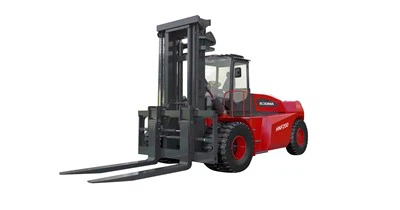
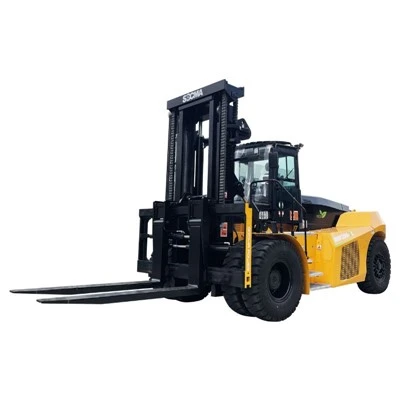
If extremely heavy - duty operations are on the agenda, our SOCMA 18Ton Telescopic Forklift HNTC180 and SOCMA 11Ton Telescopic Forklift HNT110 are excellent choices. These large - capacity telehandlers are designed for the toughest industrial applications.
We also have an electric option for those seeking a more environmentally - friendly solution, the SOCMA 4 Ton 7 Meter Telescopic Forklift HNT4007 - EL. It combines the benefits of a telehandler with low - emission operation.
Why Choose Our 5 - Ton Telehandlers?
- Reliability: Our 5 - ton telehandlers are built with high - quality materials and advanced manufacturing processes, ensuring long - term reliability on the job site.
- Safety Features: Each telehandler is equipped with a comprehensive set of safety features, such as stability sensors, overload protection, and emergency stop buttons.
- Operator Comfort: We understand the importance of operator comfort during long - hours of operation. Our telehandlers are designed with ergonomic cabs, adjustable seats, and easy - to - use controls.
Contact Us for Purchase and Consultation
If you are in the market for a 5 - ton telehandler or any of our other telehandler models, we encourage you to contact us. Our team of experts is ready to assist you in selecting the right machine for your specific needs, provide detailed product information, and discuss pricing and financing options. Whether you are a small - scale contractor or a large industrial corporation, we have the solution for you.
References
- "Telehandler Operator's Manuals"
- "Construction Equipment Handbook"
- Manufacturer's documents on telehandler specifications and safety guidelines