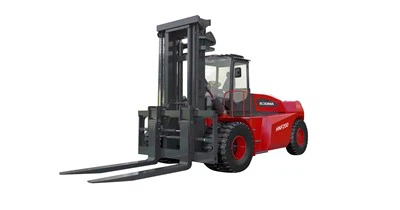
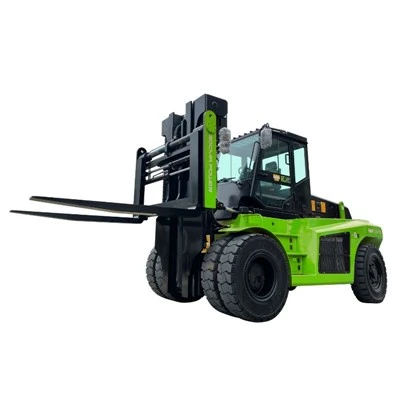
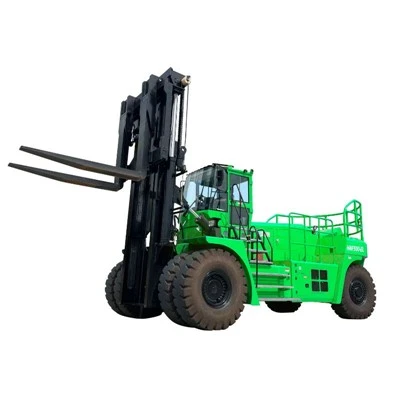
Moving a 4 Ton Telehandler can seem like a real headache, but don't worry! As a supplier of these bad - boys, I've got some solid tips and tricks to share with you. Whether you're a construction company looking to relocate your equipment or a rental service needing to transport it to a new job site, this blog will walk you through the whole process.
First off, let's get to know the 4 Ton Telehandler a bit better. It's a heavy - duty machine that combines the functions of a forklift and a crane. With a lifting capacity of 4 tons, it's used in a wide range of industries like construction, agriculture, and warehousing. We've got some great models in our catalog, like the 4Ton 7meter Telehandler Electric Telescopic Loader Forklift and the SOCMA 4 Ton 7 Meter Telescopic Forklift HNT4007 - EL. These machines are powerful, but moving them requires some careful planning.
Planning the Transport
The first step in transporting a 4 Ton Telehandler is to do a little research. You've got to find out about local transportation laws and regulations. Some areas have restrictions on the size and weight of vehicles on certain roads, and you definitely don't want to get hit with a fine. You'll also need to check if you need any special permits. Depending on your location, you might need a permit for oversized or heavy - haul loads.
Next, you need to figure out the best route. Look for roads that can handle the weight of the telehandler and its trailer. Avoid narrow streets, low bridges, and sharp turns. You can use GPS mapping tools, but also reach out to local transportation authorities or experienced truckers in the area for advice. They might know about hidden hazards or road conditions that could cause problems.
Choosing the Right Transport Equipment
When it comes to moving a 4 Ton Telehandler, you can't just hook it up to any old truck. You'll need a suitable trailer and a powerful enough truck to pull it. Flatbed trailers are a popular choice because they allow for easy loading and unloading. Make sure the trailer is in good condition, with working brakes, lights, and tie - down points.
The truck towing the trailer should have enough horsepower and torque to handle the weight. Check the truck's towing capacity in its manual and make sure it can safely tow the telehandler and the trailer combined. If you don't have the right equipment on - site, you can always hire a professional transportation company. They'll have the right trucks and trailers and the experience to get the job done safely.
Preparing the Telehandler for Transport
Before you load the telehandler onto the trailer, it's important to prepare it properly. First, clean the machine to remove any dirt, debris, or loose parts. This will not only make it easier to load but also prevent any parts from falling off during transport.
Next, secure all the attachments. Remove any forks, buckets, or other accessories and store them safely on the trailer. Make sure they're properly tied down so they don't shift during transit.
You also need to check the telehandler's fluid levels. Drain the fuel tank if it's almost full to reduce weight and prevent spills. You should also check the oil, coolant, and hydraulic fluid levels. If any of these fluids are low, top them off before transport.


Loading the Telehandler
Loading a 4 Ton Telehandler onto the trailer is a critical step. You need to do it carefully to avoid any damage to the machine or the trailer. First, make sure the trailer is on level ground and the brakes are engaged.
Use a ramp to drive the telehandler onto the trailer. Go slowly and steadily, and keep an eye on the alignment. Once the telehandler is on the trailer, position it in the center to ensure even weight distribution.
After positioning, use high - quality tie - down straps to secure the telehandler to the trailer. Attach the straps to the designated tie - down points on the machine and the trailer. Make sure the straps are tight and there's no slack. You can also use chains for added security, especially if you're transporting the telehandler over long distances or rough terrain.
During Transport
Once the telehandler is loaded and secured, it's time to hit the road. But you can't just drive off without a care. During transport, you need to be extra vigilant. Check the tie - down straps and chains regularly to make sure they're still tight. If you notice any signs of loosening, stop the truck and re - tighten them.
Drive at a safe speed and avoid sudden stops and starts. Remember, you're hauling a heavy load, so it takes longer to stop. Also, be aware of the height and width of the telehandler on the trailer. Avoid low - clearance areas and give yourself plenty of space when turning.
Unloading the Telehandler
When you reach your destination, it's time to unload the telehandler. Just like loading, unloading should be done carefully. Make sure the trailer is on level ground and the brakes are engaged.
Release the tie - down straps and chains slowly. Then, use the ramp to drive the telehandler off the trailer. Go slowly and keep an eye on the alignment. Once the telehandler is off the trailer, you can re - attach any accessories and get it ready for use.
Other Considerations for Different Models
We also offer other models like the SOCMA 7 Ton 17 Meter Telescopic Forklift HNT7017 - 4Z and the SOCMA 18Ton Telescopic Forklift HNTC180. Transporting these larger models requires even more careful planning. The trailers and trucks need to be even more heavy - duty, and you'll definitely need to get the right permits.
For the SOCMA 4 Ton 7 Meter Telescopic Forklift HNT4007 - 4Z, the general transport process is similar to the other 4 - ton models, but you still need to pay attention to its specific features and requirements.
Conclusion
Transporting a 4 Ton Telehandler is a complex process, but with the right planning, equipment, and precautions, you can do it safely and efficiently. As a supplier, we're here to help you every step of the way. If you're in the market for a new telehandler or need more information on transport, don't hesitate to reach out. We can provide you with all the details you need and assist you in making the right decisions.
Whether you're a small business or a large corporation, having a reliable telehandler is essential for your operations. And knowing how to transport it properly is just as important. So, if you've got any questions or are ready to start discussing your purchase, get in touch with us. Let's work together to get the best telehandler for your needs and ensure it gets to you safely.
References
- Construction Equipment Handbook
- Local Transportation Regulations Guides