When it comes to heavy - duty equipment like a 3.5 - ton telehandler, one crucial aspect that often gets overlooked is the noise level. As a supplier of 3.5 - ton telehandlers, I understand the significance of this factor, not only for the operators working with the machine but also for the overall work environment.


Understanding Noise in Telehandlers
Telehandlers are complex machines that combine the functions of a forklift and a crane. They are equipped with engines, hydraulic systems, and moving parts, all of which contribute to the generation of noise. The noise level of a 3.5 - ton telehandler can vary depending on several factors.
One of the primary factors is the engine. A larger, more powerful engine typically produces more noise. However, modern engine technology has made significant advancements in reducing noise emissions. Newer engines are designed with better insulation and quieter combustion processes. For example, engines with advanced fuel injection systems can operate more smoothly and quietly compared to older models.
The hydraulic system also plays a major role. The movement of hydraulic fluid through pipes and valves creates pressure changes, which can result in noise. High - pressure hydraulic systems may be noisier, especially when the telehandler is performing tasks that require rapid changes in hydraulic pressure, such as lifting and extending the boom quickly.
The mechanical components, such as gears and bearings, can also generate noise. Worn - out or poorly maintained components tend to produce more noise. For instance, if the gears are not properly lubricated, they can grind against each other, creating a loud, unpleasant noise.
Measuring the Noise Level
The noise level of a 3.5 - ton telehandler is usually measured in decibels (dB). A decibel is a unit used to quantify the intensity of sound. In general, the noise level of a telehandler can range from around 70 dB to 90 dB or more, depending on the operating conditions.
At 70 dB, the noise is comparable to the sound level of a normal conversation in a restaurant. This is a relatively comfortable level for short - term exposure. However, as the noise level increases, it can start to cause discomfort and even hearing damage over time. A noise level of 85 dB is considered the threshold for potential hearing damage with prolonged exposure.
To measure the noise level accurately, specialized sound - level meters are used. These meters are placed at specific distances from the telehandler, usually at the operator's ear position and at a certain distance outside the machine. The measurements are taken under different operating conditions, such as when the telehandler is idling, lifting a load, or driving.
Importance of Low Noise Levels
Low noise levels in a 3.5 - ton telehandler are essential for several reasons. Firstly, it improves the working conditions for the operator. Working in a noisy environment for long periods can lead to stress, fatigue, and even hearing loss. By reducing the noise level, operators can focus better on their tasks, which in turn increases productivity and safety.
Secondly, low - noise telehandlers are more suitable for use in noise - sensitive areas. For example, construction sites in urban areas may have strict noise regulations. Using a quiet telehandler can help companies comply with these regulations and avoid potential fines. It also reduces the impact on the surrounding community, minimizing complaints from residents.
Our 3.5 - Ton Telehandlers and Noise Levels
As a supplier, we take the noise level of our 3.5 - ton telehandlers very seriously. Our engineers have worked hard to develop machines that are not only powerful and efficient but also quiet. We use the latest engine and hydraulic technologies to reduce noise emissions.
Our engines are designed with advanced sound - insulation materials to minimize the noise that reaches the operator's cabin. The hydraulic systems are also optimized to operate smoothly, reducing the pressure fluctuations that cause noise. In addition, we ensure that all the mechanical components are of high quality and properly maintained during the manufacturing process, which helps to keep the noise level down.
Comparing with Other Models in the Market
When comparing our 3.5 - ton telehandlers with other models in the market, one of the advantages is our low noise levels. While some competitors may focus solely on the performance and capacity of their machines, we believe that a quiet working environment is just as important.
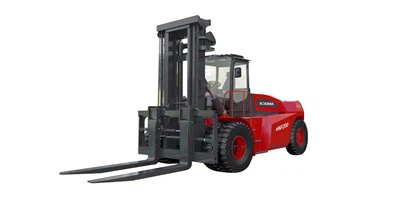
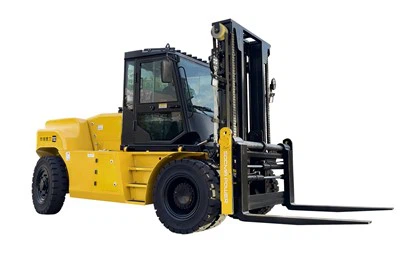
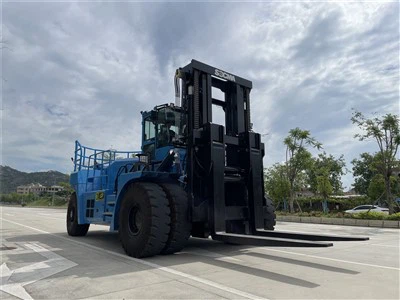
For example, when you look at some of the larger telehandlers like the SOCMA 4 Ton 7 Meter Telescopic Forklift HNT4007 - 4Z, SOCMA 11Ton Telescopic Forklift HNT110, SOCMA 7 Ton 17 Meter Telescopic Forklift HNT7017 - 4Z, SOCMA 4 Ton 15 Meter Telescopic Forklift HNT4015R, and SOCMA 7.5 Ton 10 Meter Telescopic Forklift HNT7510 - 4Z, they may have higher noise levels due to their larger size and more powerful engines. However, our 3.5 - ton telehandlers strike a good balance between performance and noise reduction.
Future Developments
We are constantly researching and developing new technologies to further reduce the noise level of our 3.5 - ton telehandlers. In the future, we hope to introduce more intelligent control systems that can automatically adjust the engine and hydraulic systems to optimize noise reduction based on the operating conditions.
We also plan to explore the use of new materials that are even more effective at sound insulation. For example, some advanced composite materials have shown great potential in reducing noise transmission without adding too much weight to the machine.
Contact Us for Procurement
If you are in the market for a 3.5 - ton telehandler and are concerned about the noise level, we are here to help. Our 3.5 - ton telehandlers offer a combination of low noise, high performance, and reliability. We can provide you with detailed information about the noise levels of our machines and how they compare to other models.
Whether you are working on a small construction site, a warehouse, or any other industry where a 3.5 - ton telehandler is needed, our products can meet your requirements. Contact us to start the procurement process and discuss how our telehandlers can fit into your operations.
References
- Industry research on heavy - duty equipment noise reduction.
- Manufacturer's specifications of 3.5 - ton telehandlers.
- Noise level measurement standards for industrial machinery.