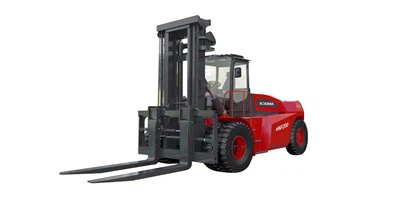
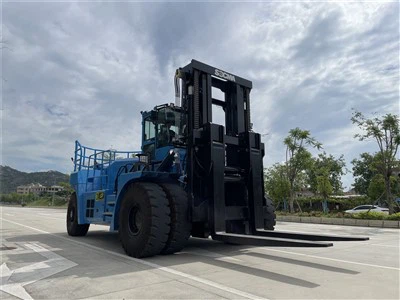
When it comes to the operation of slagging trucks, regular servicing is a critical aspect that directly impacts their performance, longevity, and safety. As a leading supplier of slagging trucks, we understand the importance of providing clear guidance on how often these vehicles should be serviced. In this blog post, we will delve into the factors that determine the servicing intervals of slagging trucks and provide some general recommendations based on our industry experience.
Factors Influencing Servicing Intervals
1. Usage Frequency
The frequency with which a slagging truck is used plays a significant role in determining its servicing schedule. Trucks that are in continuous operation, such as those used in large - scale smelting plants where production runs around the clock, will naturally require more frequent servicing. High - usage slagging trucks are subjected to greater wear and tear on their components, including the engine, transmission, and hydraulic systems. For example, in a high - volume aluminum smelter, a slagging truck might be making multiple trips per hour to remove slag from the furnaces. In such cases, the intense usage can cause rapid degradation of parts, leading to issues like engine overheating, hydraulic leaks, and brake wear.
On the other hand, slagging trucks that are used less frequently, perhaps in smaller operations with intermittent production, can have longer intervals between servicing. However, it's important to note that even infrequently used trucks may still need periodic maintenance to prevent issues such as battery discharge, corrosion, and component seizing due to lack of use.
2. Operating Conditions
The environment in which a slagging truck operates also has a major impact on its servicing needs. Trucks used in harsh industrial settings, such as those near smelting furnaces, are exposed to high temperatures, dust, and corrosive substances. The extreme heat can cause the engine oil to break down more quickly, reduce the lifespan of rubber seals and hoses, and put additional stress on the cooling system. Dust and debris can clog air filters, leading to reduced engine efficiency and potentially causing damage to internal components. Corrosive materials, like certain types of slag, can eat away at the truck's metal parts, including the chassis and body panels.
For instance, in an aluminum smelting plant, the slagging trucks are often in close proximity to hot furnaces. The thermal stress on the vehicle's components can be substantial. A slagging truck operating in a salt - water - exposed environment, such as a coastal smelting facility, may face additional corrosion challenges. In contrast, trucks operating in relatively clean and temperate conditions will generally require less frequent servicing.
3. Manufacturer's Recommendations
The manufacturer of the slagging truck provides specific guidelines on servicing intervals. These recommendations are based on extensive testing and research during the vehicle's development. They take into account the design of the truck, the quality of its components, and the expected performance under normal operating conditions. For example, the engine manufacturer may specify an oil change interval based on the type of engine oil used and the engine's design characteristics. Following the manufacturer's recommendations is crucial to ensure that the vehicle remains in optimal condition and that the warranty remains valid.


General Servicing Intervals
Based on the factors mentioned above, we can provide some general guidelines for slagging truck servicing.
1. Daily Checks
- Pre - start Inspection: Before starting the slagging truck each day, operators should conduct a visual inspection. This includes checking the tire pressure, looking for any signs of fluid leaks under the vehicle, inspecting the brakes for proper function, and ensuring that all lights are working. This simple daily check can help identify immediate issues that could lead to safety hazards or breakdowns.
- Post - operation Inspection: After the day's work is done, the operator should also perform a quick inspection. Check the engine coolant level, the fuel level, and look for any signs of damage or excessive wear that may have occurred during the day's operation.
2. Weekly Servicing
Weekly servicing should include more in - depth checks. This may involve inspecting the battery connections to ensure they are tight and free of corrosion, checking the hydraulic fluid level and quality, and lubricating moving parts such as the hinges of the slag container. Additionally, the air filter can be inspected and, if necessary, cleaned or replaced weekly, especially in dusty environments.
3. Monthly Servicing
Monthly servicing is a more comprehensive maintenance routine. It should include changing the engine oil and oil filter, inspecting the brakes for pad wear, and checking the transmission fluid level. The hoses and belts in the engine compartment should also be inspected for signs of cracking or looseness. A monthly inspection of the electrical system can help identify any potential wiring issues or malfunctioning sensors.
4. Quarterly and Annual Servicing
Quarterly servicing may involve more advanced diagnostic tests, such as checking the engine's performance using specialized equipment. The hydraulic system can be thoroughly tested for leaks and proper pressure. Annual servicing is the most extensive and should include a complete overhaul of critical components. This may involve disassembling and inspecting the engine, transmission, and differential. The chassis can be inspected for structural integrity, and any worn - out parts can be replaced.
Importance of Regular Servicing
Regular servicing of slagging trucks offers several benefits. Firstly, it ensures the safety of the operators. Well - maintained trucks are less likely to experience sudden breakdowns or malfunctions, reducing the risk of accidents in the workplace. For example, proper brake maintenance can prevent brake failures, which could lead to serious collisions.
Secondly, regular servicing improves the efficiency of the slagging truck. A well - tuned engine consumes less fuel, and properly maintained hydraulic systems operate more smoothly. This can result in significant cost savings over time, both in terms of fuel consumption and reduced downtime due to breakdowns.
Lastly, regular servicing extends the lifespan of the slagging truck. By replacing worn - out parts and addressing minor issues before they become major problems, the truck can continue to operate effectively for many years. This is a cost - effective approach in the long run, as it delays the need for costly replacements.
Our Product Range and Their Servicing
As a leading slagging truck supplier, we offer a wide range of high - quality vehicles designed to meet the diverse needs of our customers. Our product line includes Aluminum Alloy Furnace Tending Vehicle, Furnace - tending Vehicle For Aluminium Smelters, Aluminum Furnace Charging Vehicle, Aluminum Furnace Tending Vehicle, and Dross Skimming Smelting Furnace Aluminium Tending Machines.
Each of these vehicles is engineered with the latest technology and high - quality components. However, to ensure their optimal performance, it is essential to follow the recommended servicing intervals. Our team of experts can provide detailed servicing guidelines and support for each of our products, tailored to your specific operating conditions.
Contact Us for Your Slagging Truck Needs
If you are in the market for a reliable slagging truck or need more information on servicing and maintenance, we are here to help. Our experienced sales team can provide you with detailed product information, pricing, and customized solutions based on your requirements. Whether you are running a small - scale smelting operation or a large industrial plant, we have the right slagging truck for you. Contact us today to start a conversation about your slagging truck needs and how we can assist you in achieving efficient and safe operations.
References
- Automotive Maintenance and Repair Association (AMRA). Technical Guidelines for Heavy - Duty Industrial Vehicles.
- Manufacturer's Manuals for Slagging Trucks.