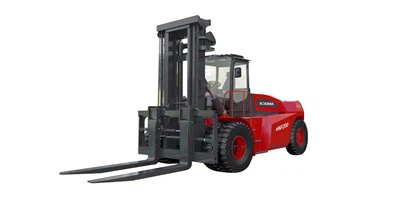
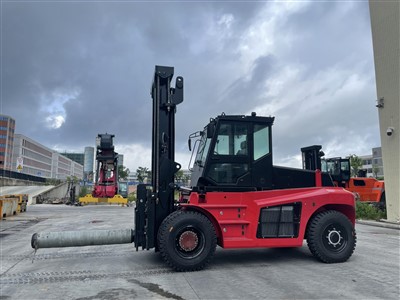
Hydraulic hoses are critical components in a 20 - ton forklift, playing an indispensable role in the proper functioning of the hydraulic system. As a dedicated 20 - ton forklift supplier, I'd like to delve into the topic of the durability of hydraulic hoses in these heavy - duty machines.
The Importance of Hydraulic Hoses in a 20 - Ton Forklift
In a 20 - ton forklift, the hydraulic system is responsible for lifting, tilting, and stabilizing heavy loads. Hydraulic hoses are the conduits that carry the hydraulic fluid under high pressure from the pump to the various hydraulic cylinders. Without reliable hydraulic hoses, the forklift's performance would be severely compromised, leading to inefficiencies, increased downtime, and potential safety hazards.
Factors Affecting the Durability of Hydraulic Hoses
1. Pressure Rating
The pressure rating of a hydraulic hose is one of the most critical factors determining its durability. In a 20 - ton forklift, the hydraulic system operates at relatively high pressures to handle the heavy loads. A hose with an inadequate pressure rating will be prone to bursting or leaking, which can lead to system failure. When selecting hydraulic hoses for our 20 - ton forklifts, we ensure that they have a pressure rating well above the maximum operating pressure of the forklift's hydraulic system. This provides a safety margin and helps to extend the lifespan of the hoses.
2. Temperature
Temperature extremes can have a significant impact on the durability of hydraulic hoses. In a 20 - ton forklift, the hydraulic system generates heat during operation, and the hoses are exposed to this heat as well. High temperatures can cause the rubber material of the hose to degrade over time, leading to cracking and loss of flexibility. On the other hand, extremely low temperatures can make the hose brittle, increasing the risk of damage. To combat these temperature effects, we use hoses made from high - quality materials that are designed to withstand a wide range of temperatures.
3. Abrasion and Wear
20 - ton forklifts operate in a variety of industrial environments, where the hydraulic hoses are often exposed to abrasion and wear. The hoses may rub against other components of the forklift, or they may be in contact with rough surfaces. To enhance the durability of the hoses, we use hoses with an outer layer that is resistant to abrasion. Additionally, we ensure that the hoses are properly routed and secured to minimize the risk of contact with abrasive surfaces.
4. Chemical Exposure
In some industrial settings, the hydraulic hoses in a 20 - ton forklift may be exposed to various chemicals. These chemicals can react with the rubber material of the hose, causing it to deteriorate. For example, exposure to oil - based solvents or aggressive cleaning agents can weaken the hose and reduce its lifespan. When supplying forklifts to such environments, we recommend the use of hoses that are specifically designed to be resistant to the chemicals present.
Maintenance and Inspection for Durability
Regular maintenance and inspection are crucial for ensuring the durability of hydraulic hoses in a 20 - ton forklift. We advise our customers to perform visual inspections of the hoses on a regular basis. Check for signs of wear, such as cracks, bulges, or blisters on the hose surface. Additionally, inspect the hose fittings for any signs of leakage or looseness.
Proper maintenance also includes keeping the hydraulic fluid clean. Contaminated hydraulic fluid can cause accelerated wear on the hoses. We recommend regular fluid changes and the use of high - quality filters to remove any particles or debris from the fluid.
Comparison with Other Forklift Types
When comparing the hydraulic hoses in a 20 - ton forklift with those in other types of forklifts, such as the 16t Forklift For Sale, a few differences become apparent. Generally, larger forklifts like the 20 - ton model require hoses with higher pressure ratings and larger diameters to handle the increased hydraulic flow. This is because they need to generate more force to lift heavier loads.
In contrast, smaller forklifts, such as a 15 - ton electric forklift (for example, the 15 Tons Electric Forklift For Cable Factory), may use hoses that are more compact and have lower pressure requirements. However, the principles of ensuring durability, such as considering temperature, abrasion, and chemical exposure, remain the same across all forklift sizes.
High - Capacity Forklifts and Their Hose Requirements
For even larger forklifts, like the SOCMA 65ton Diesel ForkliftHeavy Duty Forklift For Steel Mills Cement Prefabrication Plants Wind Power Transport and the 25 Ton Forklift With CoilRam, the demands on the hydraulic hoses are even more extreme. These forklifts operate at very high pressures and require hoses that are extremely robust and durable. The hoses need to be able to withstand not only the high pressure but also the harsh industrial environments typical of steel mills and cement plants.


Moreover, electric forklifts, such as the 30t Electric Forklift, have different operating characteristics compared to diesel forklifts. Electric forklifts tend to have a more consistent power output, which can result in a more stable hydraulic system. However, they still require durable hoses to ensure long - term reliability.
Ensuring the Long - Term Durability of Hydraulic Hoses in 20 - Ton Forklifts
As a 20 - ton forklift supplier, we take several steps to ensure that the hydraulic hoses in our forklifts have optimal durability. First, we source hoses from reputable manufacturers that have a proven track record of producing high - quality components. We work closely with these manufacturers to understand the specific requirements of our forklifts and to ensure that the hoses are designed and tested to meet these requirements.
Second, we provide our customers with detailed maintenance instructions. This includes guidelines on how often to inspect the hoses, how to perform the inspections, and what to do if any issues are detected. We also offer training sessions to our customers on forklift maintenance, which includes a section on hydraulic hose care.
In addition, we continuously monitor the performance of the hydraulic hoses in our forklifts. By collecting data on hose failures and maintenance history, we can identify any trends or issues and take proactive measures to address them. This may involve making changes to the hose specifications or improving the maintenance procedures.
Conclusion and Contact for Purchase
In conclusion, the durability of hydraulic hoses in a 20 - ton forklift is a complex topic that is influenced by multiple factors such as pressure rating, temperature, abrasion, and chemical exposure. By understanding these factors and taking appropriate measures in terms of hose selection, maintenance, and inspection, we can ensure that the hydraulic hoses in our 20 - ton forklifts have a long and reliable service life.
If you are interested in purchasing a 20 - ton forklift or have any questions regarding the durability of hydraulic hoses or forklift maintenance in general, we encourage you to contact us for a detailed discussion. We are committed to providing high - quality forklifts and excellent customer service.
References
- "Hydraulic Systems in Industrial Equipment" - Industrial Machinery Handbook
- "Materials and Design for Hydraulic Hoses" - Journal of Fluid Power and Systems