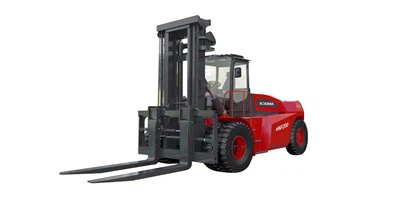
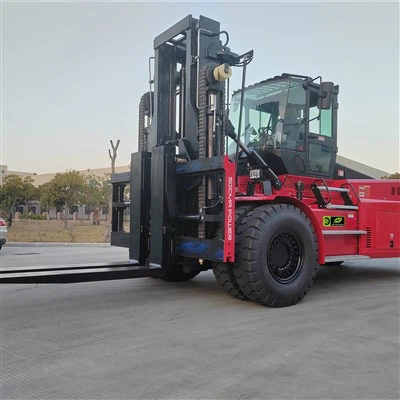
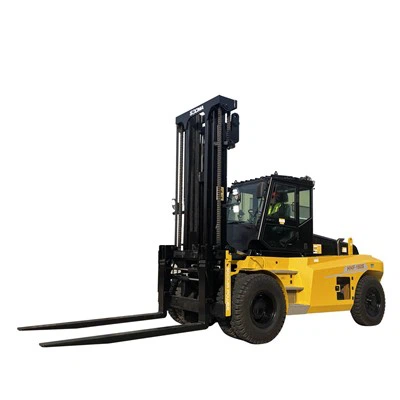
Transporting a 32-ton forklift is no small feat. As a supplier of these heavy-duty machines, I've dealt with all sorts of challenges and learned a thing or two about the safe and efficient transportation of these massive pieces of equipment. In this blog, I'll share some tips and insights on how to transport a 32-ton forklift successfully.
Pre-Transportation Preparations
Before you even think about moving the forklift, there are several crucial steps you need to take to ensure everything goes smoothly.
1. Inspection
First and foremost, conduct a thorough inspection of the forklift. Check for any signs of damage, leaks, or loose parts. Make sure all the safety features are in working order, including the brakes, lights, and horns. This not only helps prevent any issues during transportation but also ensures that the forklift is in good condition when it arrives at its destination.
2. Documentation
Gather all the necessary documentation for the forklift. This includes the bill of lading, insurance papers, and any permits required for transporting heavy equipment. Having all the paperwork in order will save you a lot of hassle and potential legal issues down the road.
3. Planning the Route
Plan the transportation route carefully. Consider factors such as road conditions, weight restrictions, and any low bridges or narrow passages that might pose a problem. Use mapping software to identify the best route and make sure to check for any road closures or construction along the way. You may also need to contact local authorities to obtain any special permits for oversized or overweight loads.
4. Choosing the Right Transport Method
There are several options for transporting a 32-ton forklift, each with its own advantages and disadvantages.
- Flatbed Truck: This is one of the most common methods for transporting heavy equipment. A flatbed truck provides a stable platform for the forklift and allows for easy loading and unloading. Make sure to choose a truck with a high enough weight capacity to handle the forklift. Additionally, use sturdy straps and chains to secure the forklift to the truck bed to prevent it from shifting during transit.
- Lowboy Trailer: If the forklift has a high center of gravity or is particularly tall, a lowboy trailer might be a better option. Lowboy trailers have a lower deck height, which reduces the risk of the forklift tipping over. They are also suitable for transporting longer or wider loads.
- Heavy Haulage Company: For more complex or long-distance transports, it may be worth hiring a professional heavy haulage company. These companies have the experience, equipment, and expertise to handle the transportation of large and heavy equipment safely. They can also take care of all the necessary permits and paperwork, saving you time and stress.
Loading the Forklift
Loading a 32-ton forklift onto the transport vehicle requires careful planning and precision.
1. Use the Right Equipment
Make sure you have the appropriate equipment for loading the forklift, such as a ramp or a crane. If using a ramp, ensure it is strong enough to support the weight of the forklift and is properly secured to the transport vehicle. A crane can be a useful option for loading the forklift onto a lowboy trailer or in situations where a ramp is not feasible.
2. Positioning the Forklift
Position the forklift in the center of the transport vehicle as evenly as possible to distribute the weight evenly. Use wedges or blocks to prevent the forklift from rolling or shifting during loading. Make sure the forks are lowered to the ground and the mast is in a vertical position.
3. Securing the Forklift
Once the forklift is on the transport vehicle, secure it tightly using straps, chains, or other appropriate restraints. Attach the straps or chains to the designated tie-down points on the forklift and the transport vehicle. Make sure the restraints are tightened properly to prevent any movement during transit.
During Transportation
During the transportation process, it's important to take certain precautions to ensure the safety of the forklift and everyone on the road.
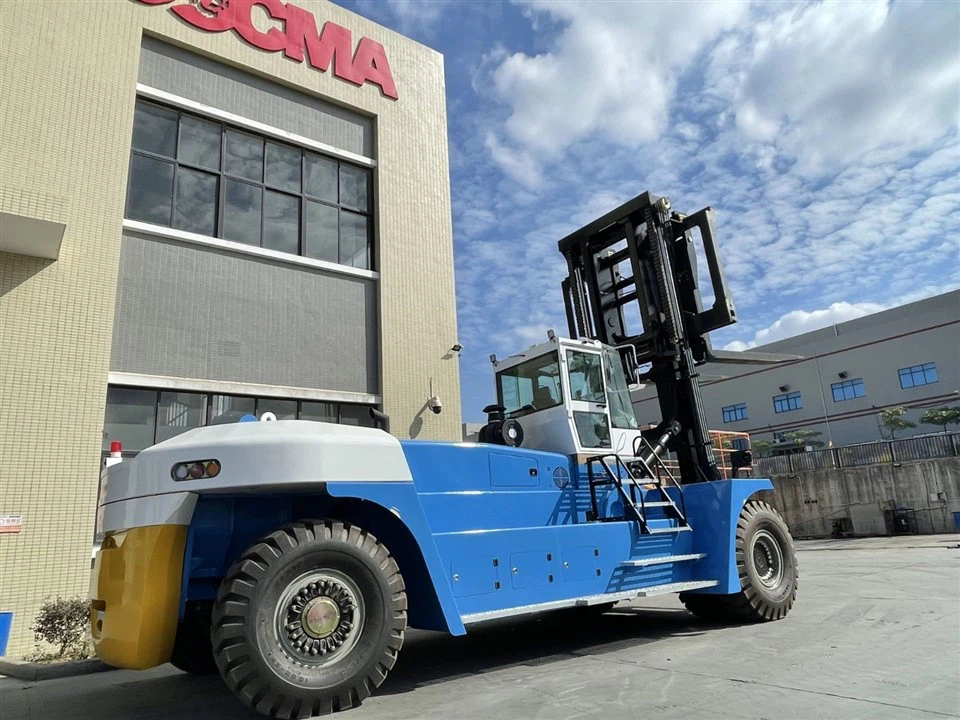
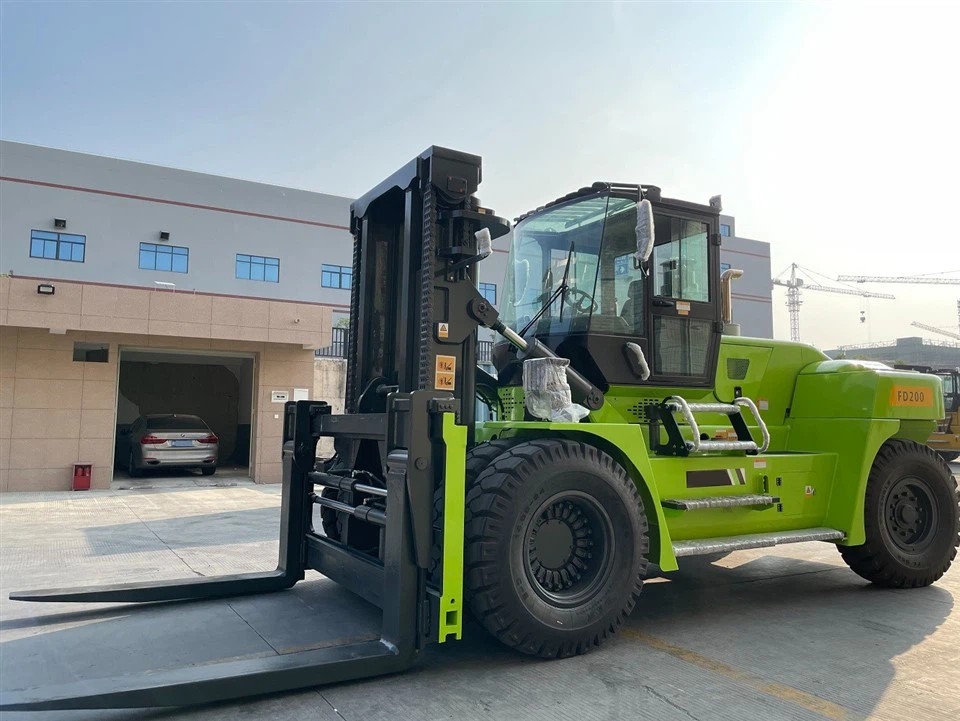
1. Slow and Steady
Drive at a moderate speed and avoid sudden stops, starts, or turns. The weight and size of the forklift can make it difficult to control, especially on uneven or slippery roads. Give yourself plenty of time to reach your destination and be prepared to adjust your speed based on the road conditions.
2. Regular Checks
Make regular stops to check the forklift and the transport vehicle. Inspect the straps or chains to ensure they are still tight and that the forklift has not shifted. Check the tires for proper inflation and any signs of damage. If you notice any issues, address them immediately before continuing the journey.
3. Weather Conditions
Be aware of the weather conditions and how they might affect the transportation of the forklift. In adverse weather conditions such as rain, snow, or high winds, it may be necessary to delay the transport until the conditions improve. Wet or icy roads can increase the risk of accidents, and strong winds can make it difficult to control the transport vehicle.
Unloading the Forklift
Unloading the forklift at its destination is just as important as loading it.
1. Reverse the Loading Process
Follow the same steps as the loading process but in reverse. Use the appropriate equipment to safely lower the forklift from the transport vehicle. Make sure the area is clear of any obstacles and that the ground is stable and level.
2. Final Inspection
Once the forklift is unloaded, conduct a final inspection to ensure it has not been damaged during transportation. Check for any signs of dents, scratches, or other issues. If you notice any damage, document it and report it to your insurance company immediately.
Related Products
If you're in the market for a forklift, we also offer a range of other heavy-duty options. Check out our 30t Electric Forklift, SOCMA 18 Ton Electric Forklift, SOCMA 65ton Diesel ForkliftHeavy Duty Forklift For Steel Mills Cement Prefabrication Plants Wind Power Transport, SOCMA 50 Ton Forklift HNF500-1250-A, and SOCMA 20 Ton Forklift HNF200-1250-A.
Contact for Purchase
If you're interested in purchasing a 32-ton forklift or need more information about our products and transportation services, feel free to reach out to us. We're here to assist you with all your forklift needs and help you make the right decision.
References
- Heavy Equipment Transport Handbook
- Forklift Safety Guidelines