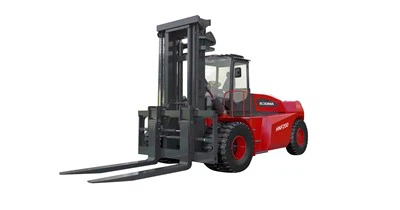
As a supplier of 20 Ton Forklifts, I've encountered numerous common issues that operators and maintenance personnel often face. In this blog, I'll share some practical troubleshooting tips to help you address these problems effectively and keep your forklift in optimal working condition.
1. Engine - Starting Issues
One of the most common problems with a 20 Ton Forklift is difficulty starting the engine. This can be caused by several factors.
Battery Problems
The first thing to check is the battery. Make sure the battery terminals are clean and tightly connected. Corroded terminals can prevent the flow of electricity to the starter. If the battery is old or has a low charge, it may not have enough power to start the engine. You can test the battery voltage using a voltmeter. A fully charged 12 - volt battery should read around 12.6 volts. If the voltage is significantly lower, you may need to recharge the battery or consider replacing it.
Starter Motor Issues
If the battery is in good condition, the problem may lie with the starter motor. A faulty starter motor may produce a clicking sound when you try to start the engine but fail to turn over. To check the starter motor, you can use a multimeter to test the electrical connections. If there is power reaching the starter but it still doesn't work, the starter motor may need to be replaced.
Fuel System Problems
Another possible cause of starting issues is a problem with the fuel system. Check the fuel tank to make sure it has an adequate supply of fuel. Clogged fuel filters can also prevent fuel from reaching the engine. Inspect the fuel filter and replace it if it is dirty. Additionally, a faulty fuel pump may not be delivering fuel at the correct pressure. You can test the fuel pressure using a fuel pressure gauge.
2. Hydraulic System - Weak Lift or Tilt
The hydraulic system is crucial for the proper operation of the forklift's forks. If you notice that the forks are lifting or tilting slowly or with less power than usual, there are a few things to investigate.
Hydraulic Fluid Level
Check the hydraulic fluid level in the reservoir. Low fluid levels can cause weak hydraulic performance. If the fluid is low, add the appropriate type of hydraulic fluid as specified in the forklift's manual. Make sure to check for any signs of leaks in the hydraulic system, such as puddles of fluid under the forklift.
Hydraulic Pump
A malfunctioning hydraulic pump can also lead to weak lift or tilt. Listen for any unusual noises coming from the pump. If the pump is making a loud or grinding noise, it may be damaged and need to be repaired or replaced. You can also check the pump's output pressure using a pressure gauge to ensure it is within the manufacturer's specifications.
Control Valves
The control valves in the hydraulic system regulate the flow of fluid to the lift and tilt cylinders. If these valves are stuck or clogged, the forklift may experience weak performance. Inspect the control valves for any signs of damage or blockage. Clean or replace the valves if necessary.
3. Steering Problems
Difficulty steering the 20 Ton Forklift can be a serious safety issue. Here are some common causes of steering problems.
Steering Fluid
Like the hydraulic system, the steering system also relies on fluid. Check the steering fluid level in the reservoir. Low fluid levels can cause the steering to become stiff and difficult to maneuver. If the fluid is dirty, it may also affect the steering performance. In this case, drain and replace the steering fluid.
Steering Gearbox
The steering gearbox is responsible for transferring the driver's input to the wheels. A worn or damaged steering gearbox can cause loose or unresponsive steering. Listen for any unusual noises when turning the steering wheel, such as grinding or knocking sounds. If you suspect a problem with the steering gearbox, it should be inspected and repaired by a qualified technician.
Tie - Rod Ends and Ball Joints
Worn tie - rod ends and ball joints can also contribute to steering problems. These components allow the wheels to turn smoothly. Inspect the tie - rod ends and ball joints for any signs of wear, such as looseness or excessive play. Replace any worn components promptly.
4. Electrical System - Fuse Blow or Light Malfunction
Electrical problems can be frustrating to diagnose but are relatively common in forklifts.
Fuse Check
If you experience a loss of power to certain electrical components, such as lights or the horn, the first thing to check is the fuses. Locate the fuse box and inspect the fuses for signs of damage, such as a blown filament. Replace any blown fuses with the correct amperage rating.
Wiring Harness
Damaged or loose wiring can also cause electrical problems. Inspect the wiring harness for any visible signs of wear, fraying, or corrosion. Make sure all the electrical connections are secure. If you find any damaged wiring, it should be repaired or replaced to prevent further issues.
Battery and Charging System
A weak or faulty battery can also lead to electrical problems. In addition to checking the battery's voltage, you should also test the charging system. A malfunctioning alternator may not be charging the battery properly, resulting in a dead battery over time.
5. Brake System - Poor Braking Performance
The brake system is essential for the safety of the forklift operator and those around the forklift. If you notice that the brakes are not working as effectively as they should, take immediate action.
Brake Fluid
Check the brake fluid level in the master cylinder. Low brake fluid levels can cause the brakes to feel spongy or less responsive. If the fluid is low, add the appropriate type of brake fluid as recommended by the manufacturer. Also, check for any signs of leaks in the brake lines.
Brake Pads and Shoes
Worn brake pads or shoes can significantly reduce braking performance. Inspect the brake pads and shoes for thickness. If they are worn beyond the recommended limit, they should be replaced. Additionally, make sure the brake calipers or wheel cylinders are functioning properly and are not sticking.
Brake Adjustment
Over time, the brakes may need to be adjusted to maintain optimal performance. Refer to the forklift's manual for instructions on how to adjust the brakes correctly.
Explore Our Other Forklift Options
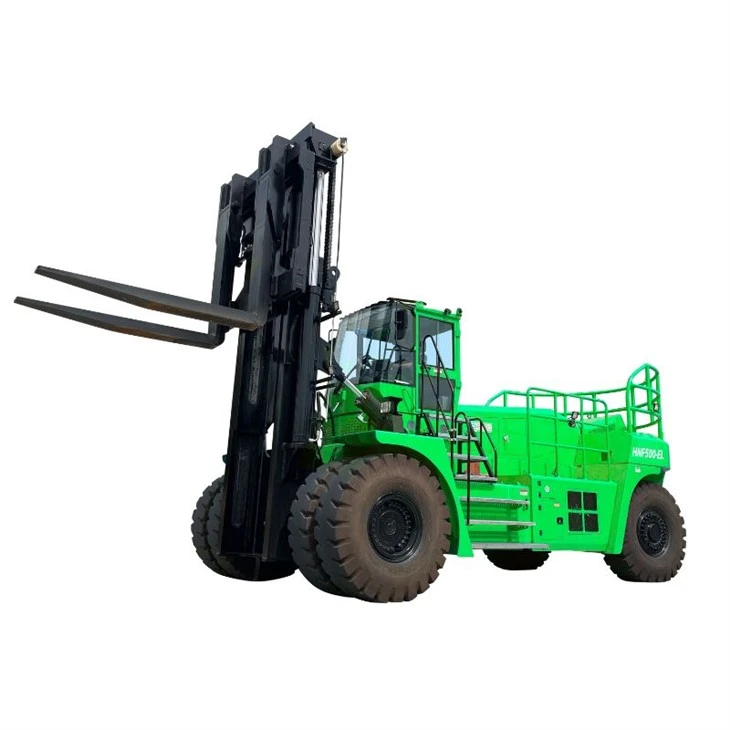
In addition to our 20 Ton Forklifts, we also offer a wide range of heavy - duty forklifts to meet your specific needs. Check out our SOCMA 32 Ton Forklift HNF320 - 1250 - B, SOCMA 42 Ton Forklift HNF420 - 1250 - A, SOCMA 16 Ton Diesel Forklift New Condition Steel Material With Diesel Engine For Construction Farm And Warehouse Industries, SOCMA 30 Ton Forklift HNF300 - 1250 - A, and SOCMA 45 Ton Electric Forklift.

Contact Us for More Information
If you are experiencing persistent problems with your 20 Ton Forklift or are interested in purchasing a new forklift, we encourage you to contact us for professional advice and solutions. Our team of experts is ready to assist you with all your forklift needs. We can help you troubleshoot complex issues, provide maintenance services, and offer guidance on choosing the right forklift for your operations.
References
- Forklift Operator's Manuals
- Industry Standards and Guidelines for Forklift Maintenance
- Technical Bulletins from Forklift Manufacturers