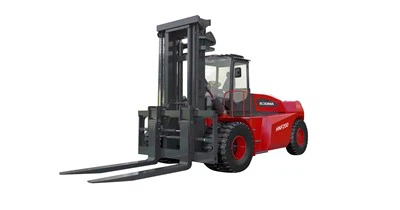
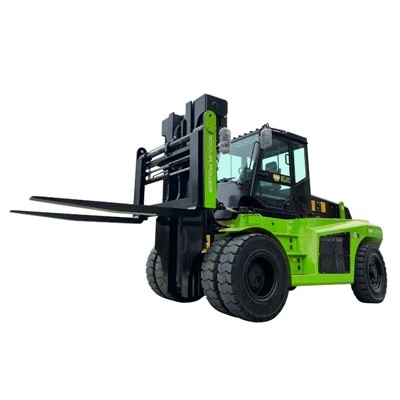
As a supplier of telescopic forklifts, ensuring the safety and reliability of our products is of utmost importance. One critical aspect of a telescopic forklift's safety is its braking system. In this blog post, I'll share some essential steps and methods on how to test the brakes of a telescopic forklift.
Pre - test Preparations
Before starting the brake test, it's crucial to conduct a series of pre - test preparations. First, make sure the forklift is parked on a flat, stable surface. This provides a consistent and safe environment for the test. You should also check the tire pressure. Incorrect tire pressure can affect the braking performance and give inaccurate test results.
Inspect the brake fluid level. Low brake fluid can lead to reduced braking efficiency and potential brake failure. Refer to the forklift's manual to locate the brake fluid reservoir and check if the fluid level is within the recommended range. If it's low, top it up with the appropriate type of brake fluid as specified by the manufacturer.
Additionally, visually examine the brake lines for any signs of leaks, cracks, or damage. Damaged brake lines can cause a loss of hydraulic pressure, which is essential for the proper functioning of the braking system. Any issues with the brake lines should be addressed immediately before proceeding with the test.
Static Brake Test
The static brake test is the first step in evaluating the braking system. Start by engaging the parking brake. Ensure that the forklift is in neutral and the engine is off. Try to manually move the forklift forward and backward. If the parking brake is working correctly, the forklift should not move. If it does move, there may be a problem with the parking brake mechanism, such as worn - out brake pads or a faulty cable.
Next, check the service brakes in a static position. With the engine running and the forklift in neutral, press the brake pedal firmly. You should feel a firm resistance. If the pedal goes all the way to the floor or feels spongy, it could indicate air in the brake lines or a problem with the master cylinder.
Dynamic Brake Test
The dynamic brake test is more comprehensive and simulates real - world operating conditions. Before starting this test, ensure that the test area is clear of any obstacles and other vehicles.
-
Low - speed Test
- Start the forklift and drive it at a low speed, around 5 - 10 km/h. Gradually apply the brakes. The forklift should come to a smooth stop without pulling to one side. If the forklift pulls to the left or right during braking, it may indicate uneven brake pad wear or a problem with the brake calipers on one side.
- Listen for any abnormal noises, such as squealing or grinding, during braking. These noises can be a sign of worn - out brake pads or other mechanical issues.
-
High - speed Test
- After the low - speed test, increase the speed to a moderate level, around 15 - 20 km/h. Make sure to drive in a straight line. Then, apply the brakes firmly but smoothly. The forklift should stop within a reasonable distance. The stopping distance can vary depending on the forklift's load, speed, and road conditions. However, if the stopping distance is significantly longer than normal, it may indicate a problem with the braking system.
- Observe the behavior of the forklift during high - speed braking. The wheels should not lock up completely. If the wheels lock up, it can cause the forklift to skid and reduce the driver's control. Modern telescopic forklifts are often equipped with anti - lock braking systems (ABS) to prevent wheel lock - up. Check if the ABS is functioning properly during the high - speed test. If the ABS warning light on the dashboard comes on during the test, it indicates a problem with the ABS system.
Brake Temperature Test
After the dynamic brake tests, it's important to check the brake temperature. Excessive heat can cause brake fade, which reduces the braking performance. Use a non - contact infrared thermometer to measure the temperature of the brake discs or drums. The temperature should not exceed the manufacturer's recommended limits.
If the brakes are overheating, it could be due to factors such as heavy loads, frequent braking, or a problem with the brake cooling system. In such cases, allow the brakes to cool down before further use and investigate the cause of the overheating.
Hydraulic Brake System Test (if applicable)
Many telescopic forklifts use hydraulic brake systems. To test the hydraulic brake system, you can perform a pressure test. This requires specialized equipment, such as a hydraulic pressure gauge.


Connect the pressure gauge to the brake system according to the manufacturer's instructions. Start the engine and operate the brakes. The pressure reading on the gauge should be within the specified range. If the pressure is too low, it may indicate a leak in the hydraulic system or a problem with the hydraulic pump. If the pressure is too high, it could be due to a blockage in the brake lines or a faulty pressure relief valve.
Conclusion and Call to Action
Testing the brakes of a telescopic forklift is a crucial process that ensures the safety of the operator and the efficient operation of the equipment. By following these steps, you can identify potential issues with the braking system early and take appropriate measures to address them.
At our company, we offer a wide range of high - quality telescopic forklifts, such as the SOCMA 4 Ton 15 Meter Telescopic Forklift HNT4015R, 4Ton 7meter Telehandler Electric Telescopic Loader Forklift, SOCMA 18Ton Telescopic Forklift HNTC180, SOCMA 4 Ton 7 Meter Telescopic Forklift HNT4007 - 4Z, and SOCMA 3 Ton 7 Meter Telescopic Forklift HNT3007. Our forklifts are designed with reliable braking systems to meet the highest safety standards.
If you're interested in purchasing a telescopic forklift or have any questions about our products, we encourage you to contact us for a detailed discussion. Our team of experts is ready to assist you in finding the right forklift for your needs.
References
- Forklift Operator's Manuals
- Industry Standards for Forklift Safety and Maintenance